


According to a representative of the Ministry of Construction, priority should be given to developing rental housing, particularly apartment-for-rent models in major urban areas, industrial parks, and key economic growth regions.
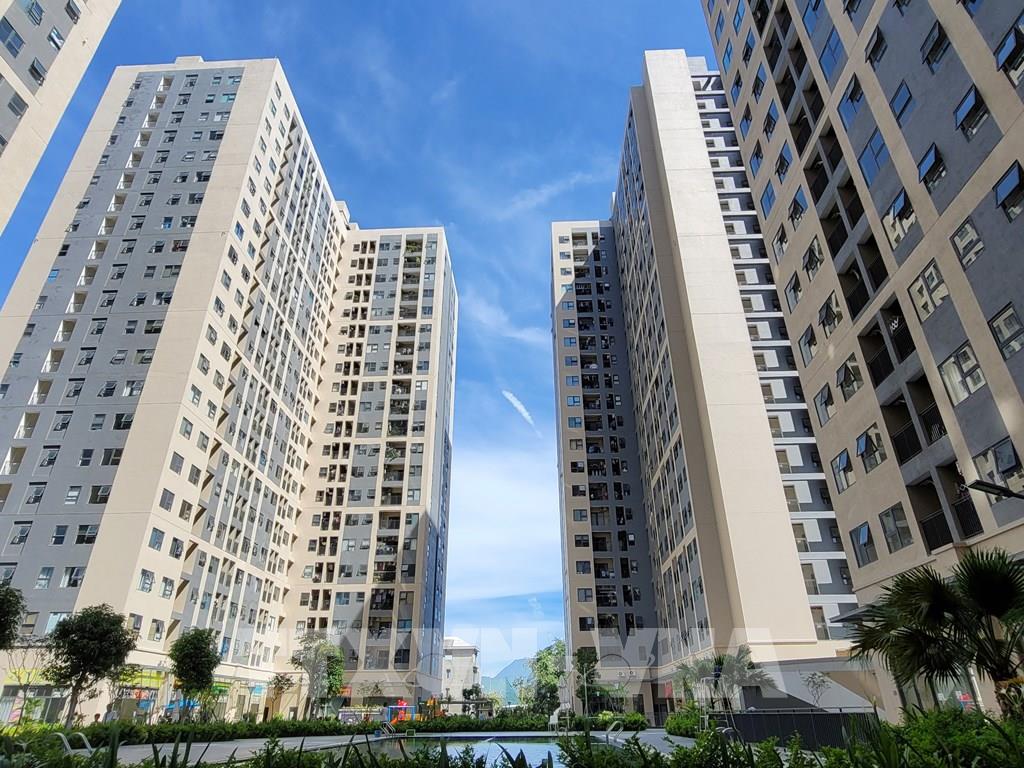
On the afternoon of June 3, at the Government’s regular press conference, Mr. Lâm Văn Hoàng, Chief of Office of the Ministry of Construction, provided information on the strategy to improve policy mechanisms and land resources aimed at promoting the rental housing segment in Vietnam.
According to Mr. Lâm Văn Hoàng, the rental housing model is not new in practice, and the current legal framework already contains comprehensive regulations and policies. The 2023 Housing Law clearly stipulates three forms of housing: housing for sale, rental housing, and lease-purchase housing.
“However, implementation results over recent years, especially in the rental housing segment, have remained limited,” Mr. Hoàng said. He added that amid rapid urbanization and growing housing demand, General Secretary and President Tô Lâm and the Prime Minister have issued timely directives, assigning local authorities to accelerate the development of this segment.
For the Ministry of Construction specifically, the Prime Minister has assigned three major tasks.
First: Proposing and improving policy mechanisms
The Ministry of Construction has proactively proposed new policy mechanisms in a timely manner, implementing the directives of the General Secretary and President and incorporating them into the amended Housing Law and amended Real Estate Business Law.
These draft laws are expected to be submitted to the National Assembly for approval during its October session this year. The strategic direction is to fundamentally shift the development mindset from focusing solely on commercial housing to simultaneously developing commercial housing, social housing, and rental housing.
“Rental housing is identified as a strategic and long-term segment serving a broad range of citizens, particularly workers, laborers, students, civil servants, public employees, and members of the armed forces. The Ministry of Construction is focusing on studying preferential policies, especially outstanding incentives related to land and finance, enabling enterprises to gain easier access to land funds and credit resources for developing such projects,” Mr. Hoàng emphasized.
According to the Chief of Office of the Ministry of Construction, alongside housing for sale, priority should be given to rental housing development, particularly apartment rental models in major cities, industrial parks, economic zones, key growth regions, and other important economic corridors.
Second: Reviewing and issuing technical standards and regulations
The Ministry of Construction is coordinating with relevant agencies to urgently review, amend, supplement, and promulgate technical standards and regulations for rental housing within its authority.
Particular attention is being given to fire prevention and firefighting safety standards for small- and medium-scale rental housing developments.
Third: Coordinating with local authorities and relevant ministries
The Prime Minister has tasked the Ministry with coordinating with local governments and ministries, initially focusing on Hanoi, Ho Chi Minh City, Dong Nai, Hai Phong, and Da Nang, which are large markets with significant demand for rental housing.
“We will determine rental housing demand based on specific target groups as well as the needs of ministries and central government agencies. This will serve as the basis for planning and resource allocation, preventing supply-demand mismatches.
On that basis, we will advise the Government and the Prime Minister on assigning rental housing development targets to localities nationwide,” Mr. Hoàng stated.
The Ministry of Construction will take the lead in coordinating with ministries, sectors, and local authorities to propose appropriate mechanisms for mobilizing, allocating, and utilizing state budget resources as well as social resources for rental housing development. This also includes developing operational and management mechanisms, including commercial business management within rental housing complexes.
In addition, the Ministry has requested provincial and municipal People's Committees to conduct surveys and assessments of local rental housing demand, categorized by different groups of beneficiaries (civil servants, public employees, members of the armed forces, workers, students, etc.) and by specific geographic areas. Based on these findings, localities will formulate investment plans and allocate funding for rental housing development tailored to the needs of each group.
Based on identified demand, local governments will review planning schemes, allocate suitable land funds, and ensure synchronized technical and social infrastructure to support rental housing construction projects—particularly in industrial parks and densely populated areas—through public investment capital, Local Housing Funds, or private investment capital.
“In reality, the current policy framework already exists and is being implemented. Going forward, efforts will focus on revising policies to provide more outstanding incentives and further accelerate the development of this segment,” the Chief of Office of the Ministry of Construction stated.

 Zalo
Zalo Webchat