


During the 2026–2030 period, Hanoi will recover 24,824 hectares of land for 3,133 projects aimed at socio-economic development.
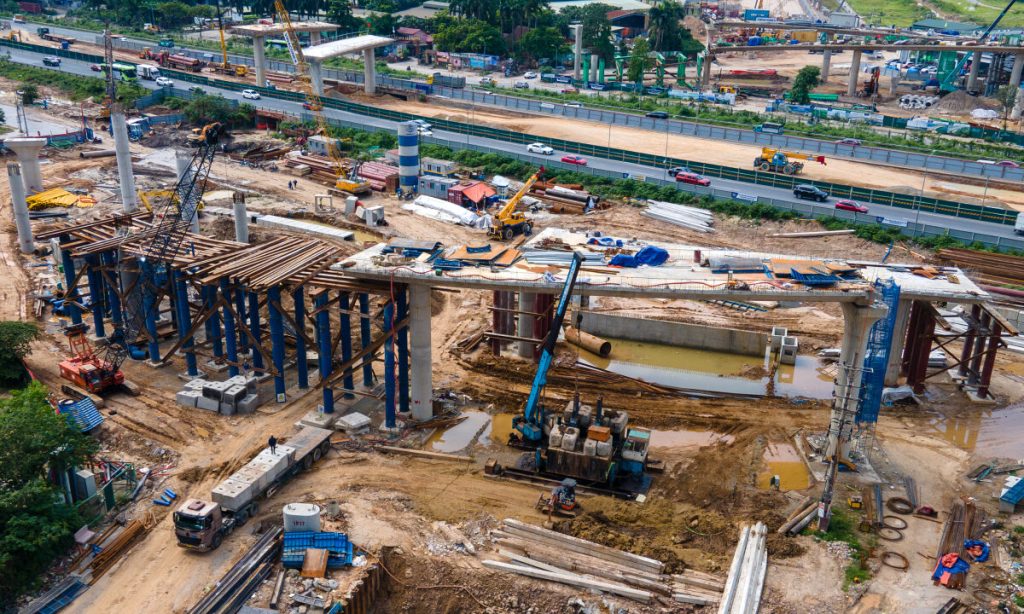
On May 11, the Hanoi People’s Council approved the list of land recovery projects to implement socio-economic development initiatives serving national and public interests.
Accordingly, from now until 2030, Hanoi will recover 24,824 hectares of land for 3,133 key projects approved by the municipal People’s Council. This indicates that the capital city is preparing for a major transformation of its infrastructure and urban landscape, opening up new opportunities for the real estate market in the 2026–2030 period.
Although the total area of land subject to recovery was reviewed and reduced by nearly half compared to the original proposal submitted by the Hanoi People’s Committee (more than 50,000 hectares for 5,822 projects) in order to ensure feasibility, the scale of over 24,800 hectares remains “enormous.”
The newly approved project portfolio is highly diverse, ranging from energy infrastructure, transportation systems, schools, hospitals, and parks to urban developments. Among them, more than 30 projects require the recovery of over 100 hectares of land each. In particular, the emergence of the Olympic Sports Mega Urban Area, with a land recovery scale of up to 4,400 hectares, is forecast to create new “super growth poles” in suburban districts.
Instead of pursuing a scattered development strategy, Hanoi is shifting toward a more “technocratic” approach by prioritizing land recovery for core infrastructure projects, including transportation, energy, healthcare, and education.
Regarding site clearance funding, Hanoi proposed that public investment projects already included in the investment plan will be balanced within the city’s budget allocation resolution. For privately funded projects, investors may arrange funding according to project timelines to ensure sufficient resources for land clearance. Through this flexible land clearance mechanism, it can be seen that Hanoi is determined to unlock “golden land reserves” for efficient utilization, while preventing prolonged stalled projects that waste national resources.
During the implementation process, the municipal People’s Committee will continue reviewing the scale and land area of each project. Regulatory authorities are required to assess implementation progress and prioritize projects based on urgency, ensuring efficient and economical land use.
Hanoi’s large-scale land recovery plan is effectively paving the way for mega urban developments and radial connectivity infrastructure. For investors, this serves as a “treasure map” to identify areas that are likely to undergo significant revaluation. As land recovery progresses and infrastructure becomes more synchronized, the capital city’s real estate market is expected to enter a new cycle of sustainable growth.

 Zalo
Zalo Webchat