


26/03/2026
Amid a period of strong segmentation in the real estate market, social housing is emerging as a bright spot thanks to substantial end-user demand and increasingly clear policy support. However, for this segment to truly become a key market driver, the challenge lies not only in scale but also in effective implementation in the coming years.
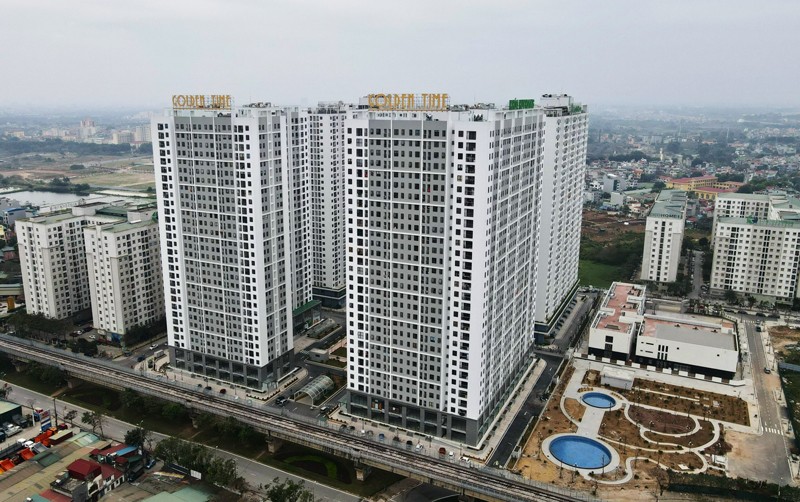
End-user demand rises, market enters a selective phase
Following a period of recovery and adjustment, Vietnam’s real estate market is entering a new development cycle characterized by clear differentiation across segments. A survey by Vietnam Report indicates that investment trends are shifting significantly toward segments tied to real housing demand, with social housing and affordable apartments rated as having the most positive outlook, achieving an average score of 4.36/5.
This shift clearly reflects market sentiment amid rising interest rates and tightened credit conditions. Investment-driven segments or those heavily reliant on leverage—such as land plots, resort real estate, and high-end housing—are gradually losing appeal. In contrast, products serving genuine housing needs are becoming the preferred choice for both homebuyers and long-term investors.
In addition to social housing, industrial real estate is also highly rated, with a score of 4.00, benefiting from supply chain relocation trends and increasing FDI inflows into manufacturing. However, compared to other segments, social housing is still considered the most critical pillar for market stabilization, especially in major urban areas where housing pressure continues to intensify.
In reality, demand for affordable housing and social housing in Vietnam remains very high, while supply is still insufficient. This creates a significant market gap and opens opportunities for developers to enter this segment, provided they have appropriate strategies and effective execution capabilities.
Policies pave the way, supply accelerates
Positive signals in the social housing segment stem not only from market demand but are also strongly driven by government policies. In 2025, the social housing development program achieved notable results, with more than 102,000 units completed nationwide, exceeding the set target.
Moreover, a series of new large-scale projects have been launched, indicating that future supply will continue to expand. By the end of 2025, nearly 700 social housing projects were under development nationwide, with a total scale of over 650,000 units. This figure represents approximately 62% of the target of 1 million social housing units for the 2021–2030 period.
However, most of this supply is still under development, posing requirements for progress and implementation efficiency in the coming years. According to plans, the number of completed units will increase significantly from 2026 onward, placing considerable pressure on both regulators and developers.
To accelerate this process, various new policies have been introduced to remove bottlenecks. On the developer side, new regulations aim to simplify administrative procedures, shorten project approval timelines, and enhance incentives related to land, taxation, and credit. These reforms are expected to create more favorable conditions for enterprises to participate in social housing development.
On the demand side, homebuyer support policies have also been adjusted to expand beneficiary eligibility. Preferential lending rates are maintained at around 5.4% per annum, helping reduce financial pressure on households. At the same time, income eligibility criteria have been relaxed to better align with actual income levels and living costs in major cities.
These changes reflect the government’s efforts to build a synchronized social housing ecosystem, encompassing both supply and demand. However, the effectiveness of these policies still requires time to be validated in practice.
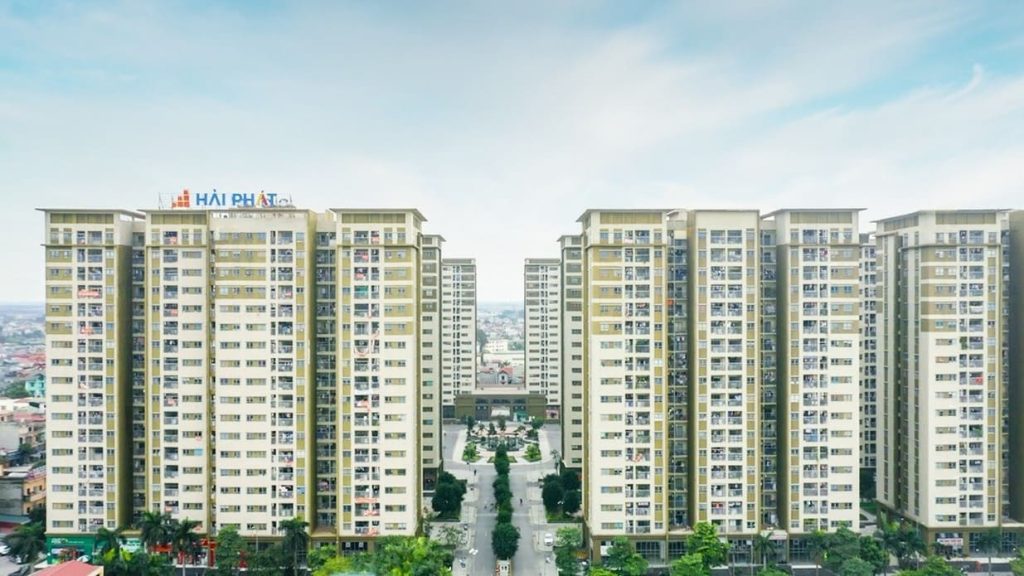
Implementation challenges and long-term expectations
Despite being considered a bright spot, the social housing segment still faces multiple challenges in the coming period. The key issue lies not in targets or scale, but in actual implementation capacity.
One major question is whether administrative procedures will truly be shortened as expected. Additionally, land allocation for social housing projects must be managed effectively to avoid shortages or inefficient distribution.
For developers, profitability remains a critical factor determining their level of participation in this segment. If incentives are not sufficiently attractive or procedures remain complex, many developers may hesitate to invest in social housing.
From the buyer’s perspective, access to preferential credit must be ensured in practice. If borrowing conditions remain restrictive or funding sources limited, the goal of supporting low-income households may be difficult to achieve.
However, if these bottlenecks are addressed in a coordinated manner, social housing can become a key driver in rebalancing the real estate market. Beyond expanding supply, this segment can help reshape the market structure toward greater sustainability, reducing reliance on speculative factors and credit cycles.
In the long term, with rapid urbanization and growing populations in major cities, demand for affordable housing will continue to rise. This provides a solid foundation for the development of social housing and opens opportunities for developers with long-term vision and appropriate strategies.
It can be said that the 2026–2030 period will be a pivotal phase in defining the true role of social housing in Vietnam’s overall real estate landscape. If implemented effectively, it will not only serve as a social welfare solution but also as a key growth driver, contributing to a more stable and sustainable market cycle.

 Zalo
Zalo Webchat