


19/12/2025
The interest rate environment is entering a new upward cycle, triggering a series of ripple effects across the real estate market. From homebuyers and investors to property developers, all stakeholders are coming under pressure as capital costs rise and cash flows become increasingly constrained.
Mortgage Interest Rates Begin to Rise
According to a survey by Batdongsan.com.vn, the monetary market is witnessing a wave of deposit interest rate adjustments across many commercial banks. After a prolonged period of maintaining low interest rates to stimulate credit growth, entering the fourth quarter of 2025, numerous banks raised deposit rates by 0.2–0.5 percentage points across most tenors. Deposit interest rates at several joint-stock commercial banks have increased to 5.5–6.2% per annum for 12-month terms, compared to around 4.8–5.5% in mid-year. Some banks such as HDBank, NCB, and Vikibank are offering rates of up to 6.5% for 6-month terms to attract deposits.
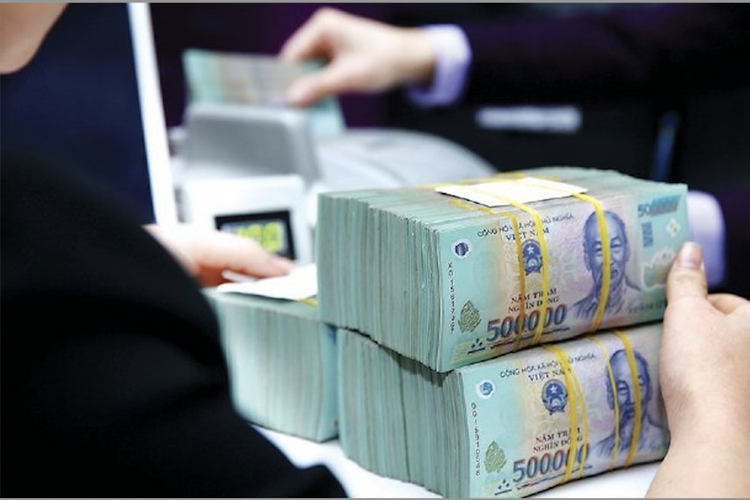
Mortgage interest rates began to rise in Q4/2025.
This development is considered a signal that liquidity pressure and the demand for medium- and long-term capital within the banking system are increasing. Consequently, a direct outcome has emerged: mortgage interest rates have started to edge upward again. In addition, this increase is partly driven by the need to maintain safe liquidity levels amid rapid credit growth in the consumer and real estate sectors.
According to Batdongsan.com.vn, shortly after deposit rates were adjusted, many banks updated their lending rate schedules for real estate credit packages. Home loans with fixed interest rates for the first 12–18 months are now ranging from 6.5–7.5% per annum, up approximately 0.3–0.5 percentage points compared to the previous quarter. After the preferential period, floating interest rates typically range between 10–11% per annum, depending on the bank.
Ms. Bui Kieu Anh, a credit officer at a bank headquartered in Yen Hoa Ward (Hanoi), stated that adjusting lending rates is necessary to balance funding costs. However, banks are still striving to maintain preferential loan packages for first-time homebuyers or young customers. Nevertheless, for medium- to long-term loans (15–20 years), even a 0.5 percentage point increase in interest rates can add tens of millions of Vietnamese dong to annual debt servicing costs. Therefore, rising deposit rates leading to higher lending rates are placing new pressure on homebuyers.
Impacts on the Real Estate Market
Commenting on the impact of rising mortgage interest rates on the real estate market, Ms. Pham Thi Mien, Deputy Director of the Vietnam Institute for Real Estate Market Research and Evaluation, noted that increasing interest rates are creating a chain reaction across the entire market. As capital costs rise, liquidity immediately slows, particularly among homebuyers and investors who rely heavily on financial leverage. Plans to purchase homes, invest, or develop projects must be recalculated, as capital costs have become the greatest uncertainty.
Ms. Mien also pointed out that history has shown real estate to be the sector most deeply affected whenever interest rates reverse. The 2011–2013 period serves as a clear example: when lending rates reached 18–20% per annum, many businesses and investors were forced to liquidate assets, the market experienced prolonged stagnation, and property prices fell by 30–40%, even in central areas. The root cause lay in the mismatch between short-term borrowing structures and long project investment cycles, causing cash flows to break down when capital costs rose sharply.
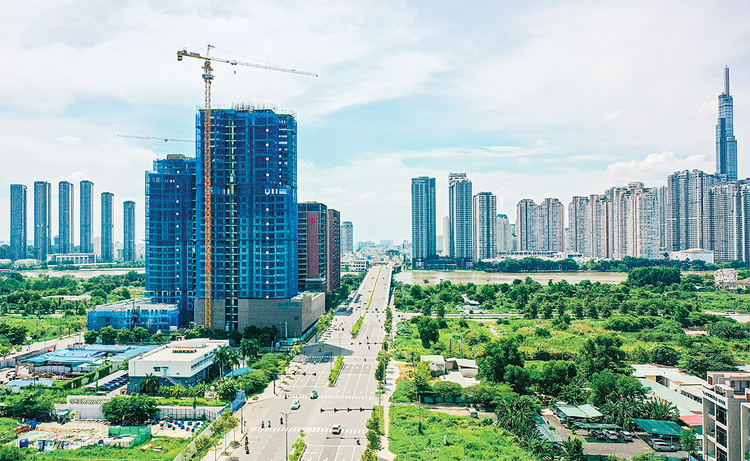
Rising interest rates are creating a chain reaction across the entire real estate market
In recent years, preferential mortgage packages have helped stimulate market demand, offering interest rates as low as 5.5% per annum or interest-free periods with principal repayment grace periods of 3–5 years. However, once loans transition to floating rates, borrowers face significant interest rate pressure, sometimes finding that “interest payments double even before any principal is repaid.” In a weakening liquidity environment, selling properties at a loss is not easy, increasing the risk of non-performing loans returning to the credit system.
Ms. Mien emphasized that risks are even greater for property developers. Rising interest rates inflate financial costs, while declining purchasing power slows cash flow turnover. Developers must service bank loans while also facing large volumes of maturing corporate bonds, as new issuance channels remain sluggish. To maintain liquidity, many companies are forced to sell land reserves, delay project timelines, or renegotiate terms with contractors and banks.
Pressure is particularly severe for off-plan projects, which rely heavily on advance payments from buyers. When this capital source becomes constrained, many projects are forced to suspend or delay construction, undermining confidence among homebuyers and secondary investors. A prolonged high-interest-rate environment also discourages developers from expanding land banks, leading to a significant decline in housing supply over the medium term.
The impact of rising interest rates is not limited to the housing sector. Higher capital costs also affect infrastructure projects and public investment, as prices of construction materials, labor, and land clearance continue to rise. Slower progress diminishes price appreciation expectations in areas once considered “infrastructure hotspots,” pushing many secondary investors into difficulty when exiting investments.
Despite facing numerous short-term challenges, the Deputy Director of the Institute maintains a positive long-term outlook for Vietnam’s real estate market. End-user housing demand remains substantial, while urbanization and infrastructure development continue to expand. However, amid unpredictable capital cost fluctuations, homebuyers are advised to use financial leverage prudently—ideally not exceeding 50% of property value—and to prioritize projects developed by reputable developers with strong financial capacity, transparent legal status, and clearly defined construction progress.

 Zalo
Zalo Webchat