


15/09/2026
According to JLL, Vietnam ranks among the global Top 10 markets with the strongest improvement in transparency scores during the 2024–2026 survey period, alongside Poland, Thailand, Australia, Qatar, South Korea, India, Saudi Arabia, Dubai and Abu Dhabi.
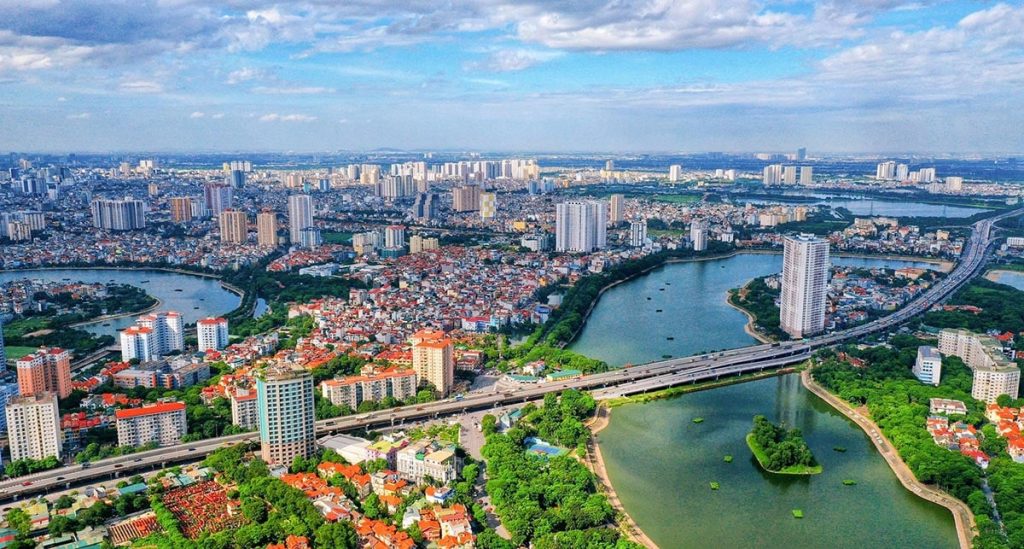
Vietnam Climbs in Real Estate Transparency, enters Global Top 10 for Strongest Improvement
On the morning of September 15, JLL held a press conference in Hanoi to announce the 2026 Global Real Estate Transparency Index (GRETI) report.
According to the report, Vietnam currently ranks 50th out of the 88 countries and territories surveyed, with a transparency score of 3.15, remaining in the “Semi-Transparent” market group. Notably, Vietnam ranks among the global Top 10 markets with the strongest improvement in transparency scores during the 2024–2026 survey period, alongside Poland, Thailand, Australia, Qatar, South Korea, India, Saudi Arabia, Dubai and Abu Dhabi.
According to JLL, Asia Pacific recorded the most significant improvement in transparency in this year’s survey, accounting for half of the global Top 10 most improved markets. Leading this group were India, Vietnam, South Korea, Australia and Thailand. Thanks to these improvements, cross-border investment flows into the region have rebounded strongly over the past 12 months, with direct transaction volumes in several markets, including Vietnam, reaching record highs.
Globally, approximately two-thirds of the 88 markets surveyed recorded an increase in transparency scores over the past two years. However, JLL noted that the gap between leading markets and the rest of the market universe continues to widen. The “Highly Transparent” and “Transparent” market groups currently attract more than 98% of total global commercial real estate investment flows, with the “Highly Transparent” group alone accounting for approximately 81%. Meanwhile, the “Semi-Transparent” group accounts for only around 1.3% of global investment flows.
This disparity shows that, alongside the progress already achieved, continued improvements in real estate market transparency remain an important opportunity for Vietnam to enhance its attractiveness to international capital. As market information, data, legal frameworks and governance standards become increasingly transparent, the ability to access and allocate international capital to the market will have a stronger foundation for further expansion.
In fact, Vietnam’s current position is the result of a multi-year process of improvement. According to data from JLL and LaSalle, prior to 2020, Vietnam was still classified as a “Low Transparency” market, with limitations in the availability of market data as well as the clarity and consistency of its legal framework. These factors created considerable obstacles for foreign investors, particularly in matters related to real estate ownership.
One notable milestone in this process came in 2016, when Vietnam joined the Trans-Pacific Partnership (TPP) and simultaneously proposed the development of a national real estate database. These moves demonstrated Vietnam’s direction toward gradually aligning with international standards, while laying the groundwork for reform and the standardization of information in the real estate market.
Since 2020, Vietnam has moved into the “Semi-Transparent” market group. In particular, 2024 was considered a “foundational period”, as a series of major legal changes were implemented. The Land Law, Housing Law and amended Law on Real Estate Business all came into effect, creating a new legal framework for the market. At the same time, the new Law on Prices requires valuers to hold professional practice certificates and provides for the retention of audit trails in valuation activities to enable verification. Real estate transactions have also been encouraged to be conducted through the banking system, contributing to greater transparency and improved monitoring of capital flows in the market.
In 2026, Decree No. 357 on the development, management and operation of the information system and database on housing and the real estate market officially came into effect. This is regarded as another step forward in the standardization of data, with the goal of completing the national land database by the end of 2026. Alongside the continued development of the legal and data infrastructure, the adoption of sustainable development practices in Vietnam’s real estate sector is also increasing.
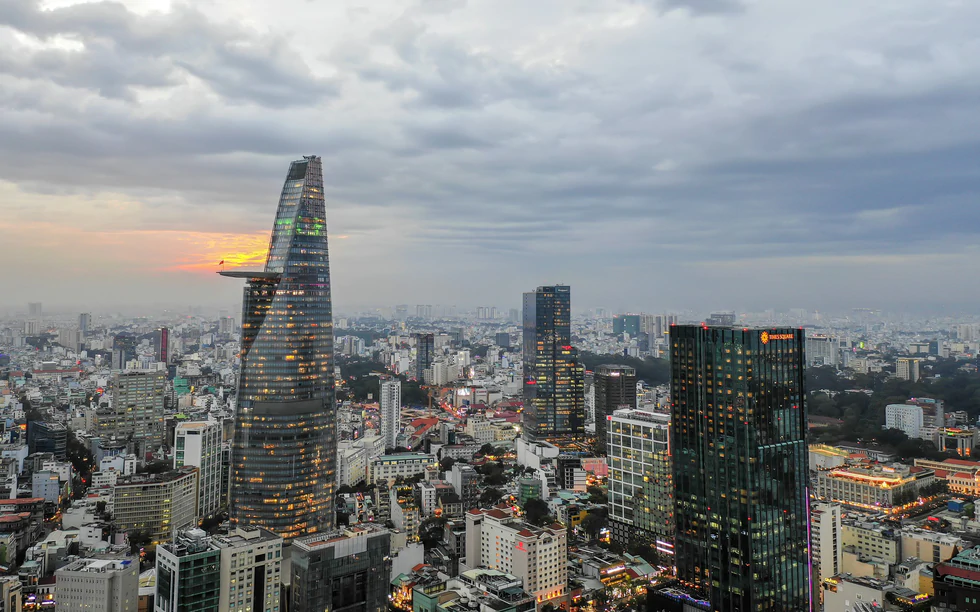
Vietnam’s Real Estate Market Faces the Challenge of “Data-Driven Valuation”
JLL’s report also highlights a clear relationship between market transparency and the accuracy of real estate valuation. In “Highly Transparent” markets, transaction data is relatively comprehensive and publicly available, allowing valuation accuracy to reach 85–95%, while the average valuation period is only around 5–10 days. Notably, approximately 70% of valuation inputs come from publicly available data, 20% from market surveys, and only 10% from expert experience.
Meanwhile, in “Semi-Transparent” markets such as Vietnam today, fragmented and limited data means that valuation accuracy reaches only around 60–75%, while the valuation period extends to 10–20 days. The composition of information sources also differs significantly: expert experience and market surveys each account for approximately 40%, while publicly available data contributes only around 20%. When the underlying data infrastructure is insufficient, valuation not only requires more time and cost to collect information, but also faces greater challenges in verification, while increasing legal risks compared with markets with higher levels of transparency.
Drawing on the experience of more advanced markets, JLL believes that Vietnam’s roadmap for improving transparency should focus on six key pillars: completing the digitization of land records; establishing a unified nationwide real estate registration system; applying international valuation standards (IPMS); disclosing data on the commercial real estate credit market; promoting green building certification linked to master planning and clear databases; and strengthening disclosure requirements for listed companies.
According to JLL, amid growing global economic and geopolitical uncertainty, transparency is becoming increasingly important to real estate investment decisions. The development of artificial intelligence (AI), the reallocation of capital toward segments with structural growth prospects, the need to ensure reliable energy supplies, and greater transparency in credit markets are simultaneously changing how investors assess opportunities and risks. In this context, improving data quality and transparency will not only help the market operate more efficiently, but will also serve as a foundation for strengthening its ability to attract and retain investment capital over the long term./.

 Zalo
Zalo Webchat